Skip to content
A.N Trader

Industry

Oil and gas

Oil and gas plant makes two demands of a field device at once. It has to measure or move something accurately, and it has to be certified to stand where that happens. Almost everything on a wellhead, a separator skid or a metering run sits inside a classified area, so the choice is rarely between a good instrument and a poor one. It is between a device whose protection concept, temperature class and enclosure rating match the hazardous-area drawing, and one that does not.

A.N Trader supplies positioners, current-to-pressure converters and pressure transmitters for that duty, in the certification and body-material variants the classification calls for.

Process plant at night with stacks and vapour plume above a waterfront

Typical applications

01

Separator level and interface control

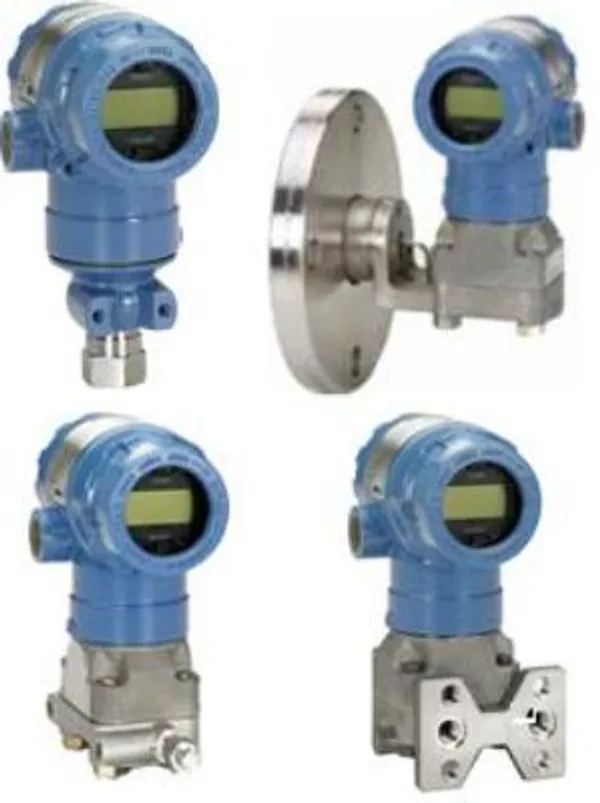
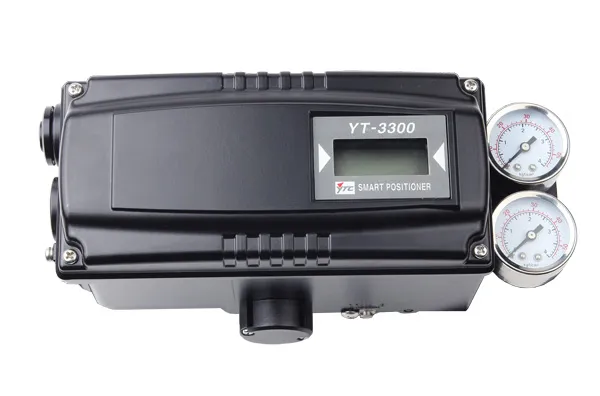
A production separator holds an oil-water interface at a set height while gas leaves the top. The measurement is normally differential pressure taken across the vessel, and the manipulated variable is a dump valve that has to move against slugging flow without hunting. Two things decide whether that loop settles: a transmitter ranged for the actual liquid head rather than for the vessel design pressure, and a positioner that holds stem position instead of chasing it.
02

Wellhead and ESD valve actuation

Shutdown valves spend years in one position and are judged entirely on whether they move when asked. Where the valve forms part of a safety instrumented function, the devices in that loop need documented functional-safety capability rather than a good service history, so the rated SIL of the positioner and of the transmitter is checked against the target for the function before anything is ordered.

03

Custody transfer and metering-skid pressure

On a metering run the pressure reading is a commercial number: it feeds a flow computation that someone is invoiced against. Reference accuracy, stability between calibrations and a certificate a third party will accept are what count. Digital communication matters too, because it lets a transmitter be re-ranged and verified without breaking into the line.

04

Flare, vent and knock-out drum duty

The ground around a flare header and its knock-out drum is classified, and it is also outdoors, hot and exposed. Drum level and header pressure are both monitored continuously, and any control valve in the purge or pilot-gas path carries a positioner or I/P converter that has to be certified for the zone it stands in, in an enclosure rated for the weather as well as for the gas.

05

Compressor recycle and pressure control

A recycle or pressure-control valve is only as fast as the air that reaches its actuator. Supply pressure, air delivery and actuator volume are one calculation rather than three, so the air-preparation stage, the tubing bore and the flow capacity of the positioner are specified together. Undersize any one of them and the valve strokes slowly however good the control algorithm above it is.

Equipment for this sector

Devices from the catalogue that suit this duty, each with the reason it was chosen. Model codes, certification variants and calibration ranges are confirmed against your specification at the quotation stage.

Selection considerations

Protection concept: Ex ia or Ex d
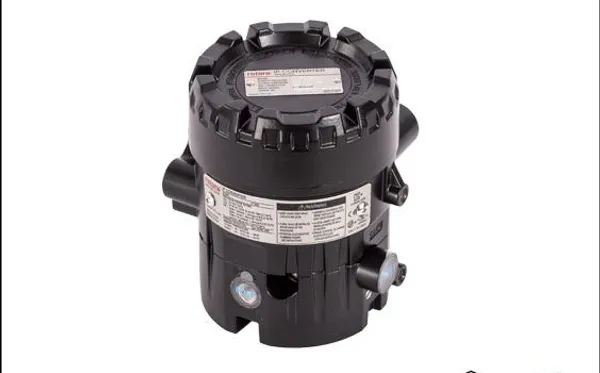
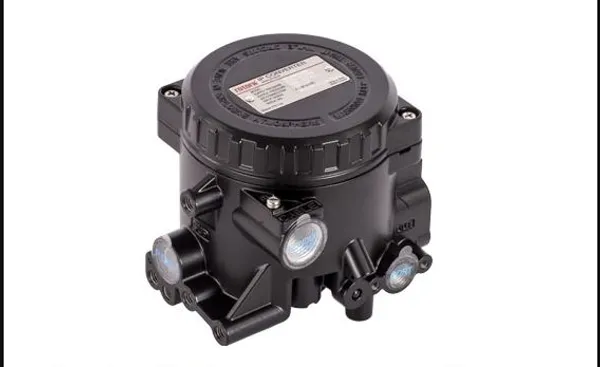
This is a plant-level decision rather than a device-level one. An intrinsically safe loop limits the energy entering the hazardous area and needs a certified barrier at the safe end. A flameproof installation contains any ignition inside the enclosure and needs certified glands and sealed conduit. The YT-930 is built for the first philosophy and the YT-940 for the second, so ordering the wrong one is an installation problem, not a swap.
Functional safety
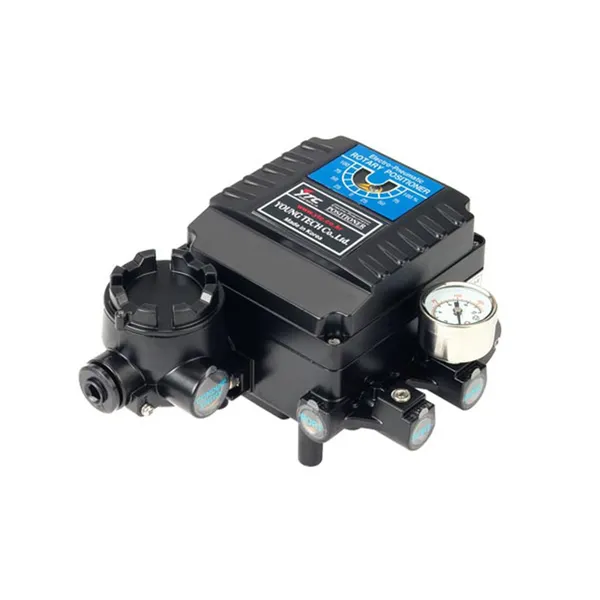
Where a valve or a transmitter sits inside a safety instrumented function, the specification has to state the SIL the function is designed to, because that determines which devices are admissible and in what architecture. The YT-3300 family is rated SIL 2, and SIL 3 in a redundant configuration; the Rosemount 3051 is certified to IEC 61508 for SIL 2/3 use. A device with no safety manual cannot be counted in the calculation at all.
Body material and coastal exposure
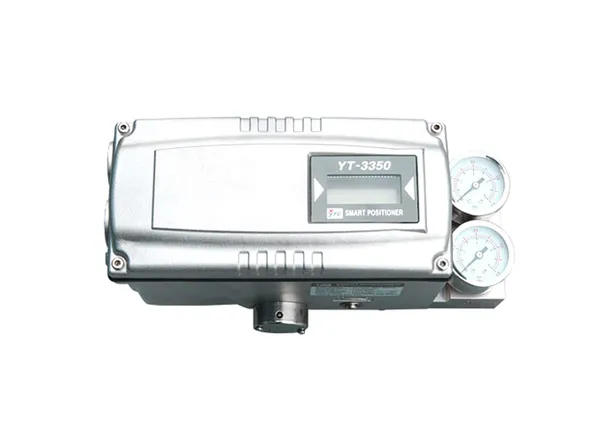
Salt-laden air is hard on painted aluminium, and much of Pakistan's oil and gas infrastructure sits on or near the coast. Where a device is outdoors in that atmosphere, an uncoated stainless steel 316 body removes the failure mode rather than delaying it — which is what the YT-3350 is for. Inland and indoors, epoxy-coated aluminium is lighter, cheaper and entirely adequate.
Temperature at the mounting point
An ambient-temperature rating applies at the device, not in the shade. A positioner bolted to a hot line sees more than site ambient, and an unheated skid at night sees less than the daytime figure. Standard YT-3300 builds begin at -30 °C, the low-temperature builds and the YT-940 at -40 °C. Specify against the worst realistic case rather than the annual average.

Where to go next

Brands on this page

Help specifying

Send the hazardous-area classification, the actuator make and size, and the loop's SIL target, and we will come back with a model code rather than a catalogue.

Consultancy and site services

Specifying for a classified area?

Tell us the zone, gas group and temperature class and we will quote the certified variant, not the standard one.

Request a Quote