
ASCO
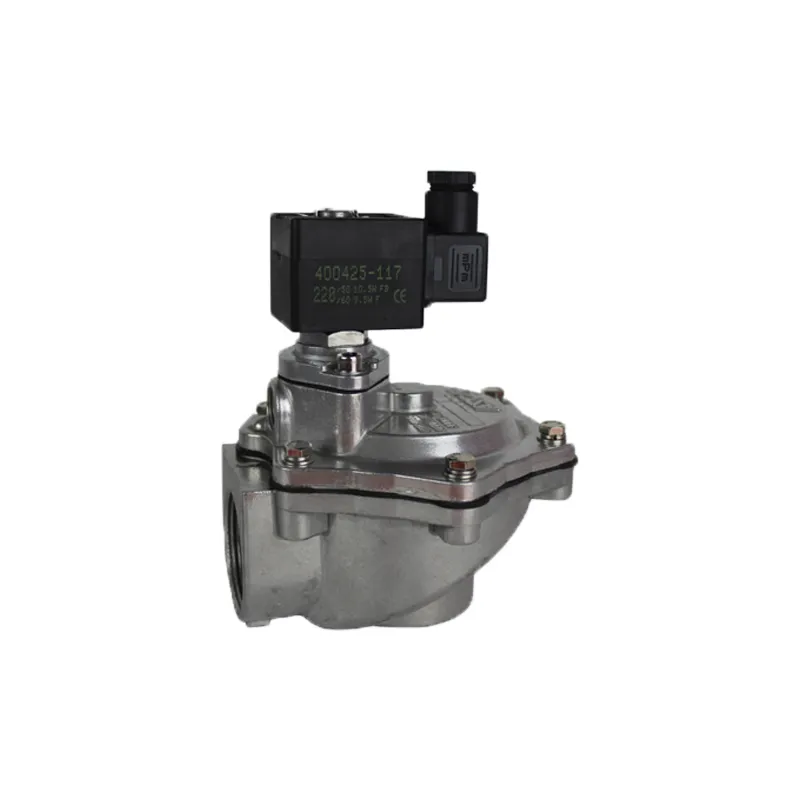
ASCO SCG353A047 Dust Collector Solenoid Jet Pulse Valve
The pulse valves of the ASCO 353 series are designed specifically for dust collector service, combining high flow, long life and extremely quick opening and closing for efficient, economical operation.
Quick Specifications
| Series | ASCO 353 |
|---|---|
| Valve Size | 1.5" |
| Function | 2/2 diaphragm pulse valve |
| Coil | Epoxy-moulded, class F |
| Enclosure | Waterproof IP67, CEE 10 |
| Hazardous Area | ATEX 2014/34/EU, IECEx |
| Pipe Connection | Compression fitting or G (ISO 228/1) |
Technical Description
The pulse valves of the ASCO 353 series are specifically designed for service applications for dust collectors, combining high flow, long life, and extremely quick opening and closing for efficient and economical operation. To further reduce sound and avoid foreign particles from entering the valve, the valves come with silencers.
Why ASCO jet pulse valve
The diaphragm pulse valves are designed specifically for the dust collector operation, combining high flow, long life, and extremely fast opening and closing applications to deliver efficient and cost-effective operations.
- Comprehensive compression fittings for fast, simple, safe installation.
- The high-quality diaphragms are strengthened and wear-resistant, even under harsh conditions, to ensure a long working life.
- Epoxy moulded F-class coils are given to the integral operators. According to Directive ATEX 2014/34/EU, numerous optional waterproof and explosion-proof solenoids for use in potentially explosive atmospheres (gas & dust) can be placed on the same basic valve.
- Valves are compliant with all applicable EC directives.
Options for the jet pulse valve
- Waterproof housing with integrated screw terminal coil in compliance with safety class IP67, CEE 10.
- Explosionproof solenoids according to ATEX and national guidelines for hazardous locations.
- IECEx certified.
- Execution of hose connections (3” only).
- Plug with visual indication and/or suppression of peak voltage.
- With electronic timer.
Jet pulse valve installation
- Without affecting operation, the valves can be installed in any place (if (1)+(3) catalog number).
- Compression fitting or G (ISO 228/1) threaded pipe connection.
- The compressed gasket on the blow tube produces tightness for compression fitting types.
- When using compression fittings, the use of the rubber gaskets as sealing members can allow a slight misalignment in piping.
- Instructions on installation and maintenance are included with each valve.
- Spare parts kits and replacement coils are also available on request.
For more details please check the catalog. Visit the manufacturer’s official website.
Why use a dust collector jet pulse valve
Dusty conditions are especially prone to costly damage and downtime due to particulates getting into machinery in industries such as concrete, metalworking, mining, steel mills, grain, agriculture, and feed. Dusty air is a threat to the health of workers as well. In particular, the food and beverage industries, whether for humans or animals, need to tackle airborne powder dust. For handling, storage, and drying activities, many of these industries use specialized equipment and aggressive antibacterial chemicals intended to help reduce the possibility of contamination of food that is in contact with these devices — but these chemicals can also be harmful to equipment over time.
To remove or reduce as many of these maintenance issues as possible, it is important that these businesses implement highly efficient dust collector systems. Pulse valves are used in a dust collector system to clean bag-type or cartridge-type filters. These valves send a high-energy air pulse through the blow tube, causing a shock wave to extract dust from the filters. Higher air acceleration and faster valve response time help to better clean filter bags and use less compressed air, reducing the cost of running the system.
As for any technology, efficiency and life expectancy have been pushed forward by the ability to maintain tighter tolerances for each variable. In dangerous or explosive conditions, plants must work safely and must comply with strict safety regulations. Global approvals, including UL, CSA, RoHS, ATEX, EC, and other certifications appropriate for worldwide use, need to be met by pulse valves. Be sure that you work with a company that provides a variety of optional solenoids that are waterproof and explosion-proof for use in potentially explosive conditions, as well as one that offers extended ambient temperature ranges.
Downloads & Resources
Inline Quote Request
Fast response from our technical sales team.