Skip to content
A.N Trader

Industry

Biogas

Biogas is a modest process with a serious hazard attached. Digesters work at very low pressures and move gas rather than steam, so the control loops themselves are undemanding. What is not undemanding is everything around them: the gas is flammable, the areas around the digester roof, the gas holder, the blower and the flare are classified, and raw biogas leaves the vessel saturated with water and carrying hydrogen sulphide. That last combination is corrosive in a way a clean natural-gas installation is not.

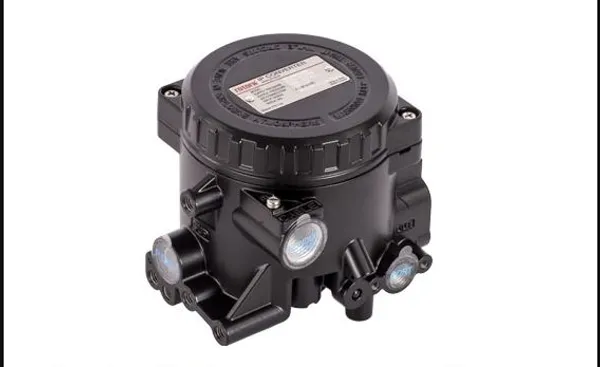
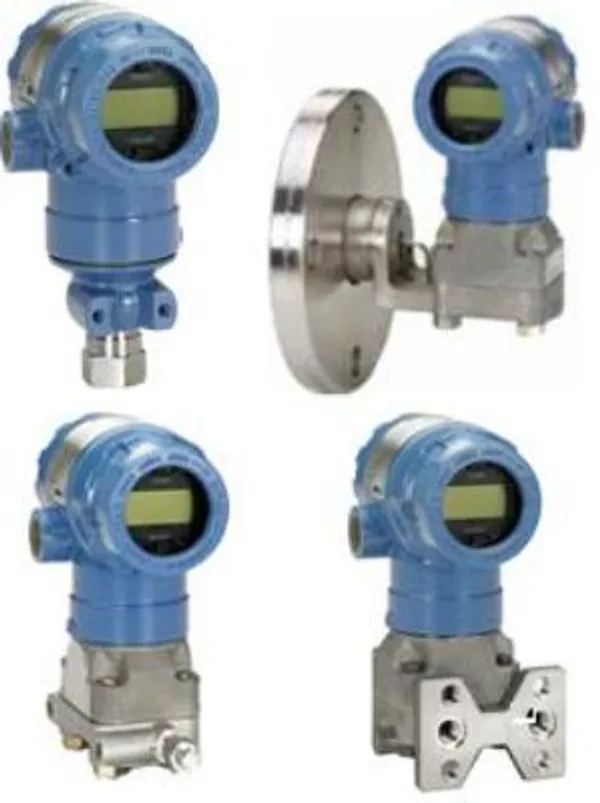
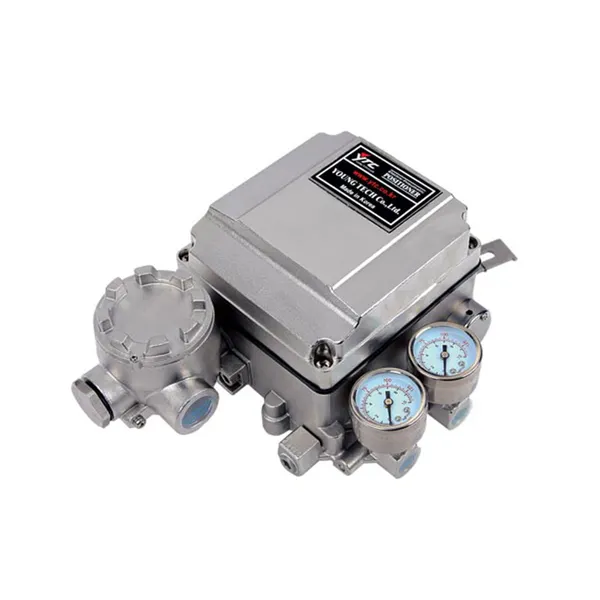
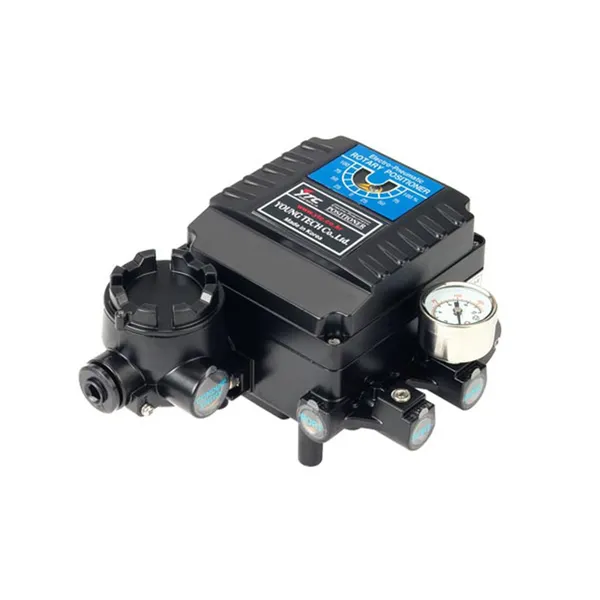
A.N Trader supplies certified I/P converters, positioners and pressure transmitters for those areas, in the body materials that survive the atmosphere they stand in.

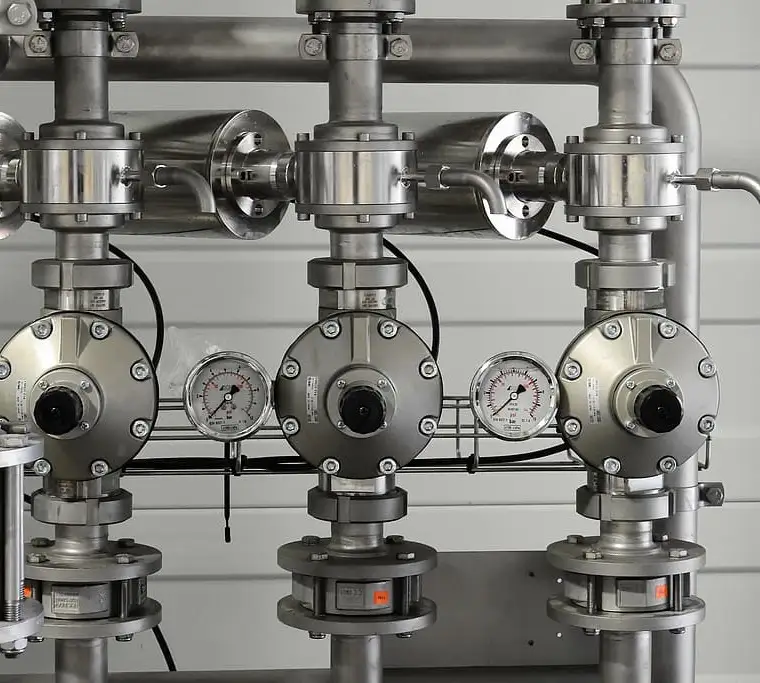
Stainless steel gas pressure regulators, isolating valves and gauges on a process manifold

Typical applications

01

Digester and gas-holder pressure

A digester and its gas holder work barely above atmospheric pressure, and the safety case rests on keeping them there: too much and a relief lifts and vents gas, too little and air is drawn back into a flammable mixture. The measurement range is a small fraction of a bar, and a transmitter ranged as though for a process line will not resolve it. The instrument is ranged for the process, not for the pipe it is bolted to.
02

Gas blending and delivery to the engine or boiler

Raw digester gas varies in methane content with feedstock and loading, while the consumer downstream — a CHP engine, a boiler, an upgrading skid — wants something steadier than that. Control is normally a quarter-turn valve on a blending or throttling duty driven from a flow or pressure loop. The valve itself is rarely large; it is the certification requirement on the positioner driving it that makes the specification non-trivial.

03

Hydrogen sulphide and moisture in the gas path

Raw biogas leaves the digester saturated with water and carrying hydrogen sulphide. As the gas cools, condensate forms and the H₂S dissolves into it, and the result attacks copper, brass and unprotected carbon steel. Anything in or beside the gas path is chosen with that in mind, and the condensate needs somewhere to go — a low point with a trap, rather than a long horizontal run that fills up quietly.

04

Desulphurisation and air dosing

Sulphide is commonly reduced either by dosing a small, closely controlled quantity of air into the digester headspace or by passing the gas through a scrubbing or adsorption stage. Dose too little and nothing happens; dose too much and the headspace moves towards a flammable mixture. It is a small flow with a large consequence, which puts the weight on a repeatable final control element rather than on a clever controller.

05

Flare and surplus gas

Every site needs somewhere for gas it cannot use, and the flare is both the safety device and the last classified area on the plot. The valve admitting gas to it and the instruments watching the header stand outdoors, unheated, in the weather and inside the zone. Those are three separate constraints, they each arrive as one line on a datasheet, and they have to be satisfied together rather than in turn.

Equipment for this sector

Devices from the catalogue that suit this duty, each with the reason it was chosen. The protection concept, certificate marking and calibrated range are confirmed against your hazardous-area drawing at the quotation stage.

Selection considerations

Protection concept: Ex ia or Ex d
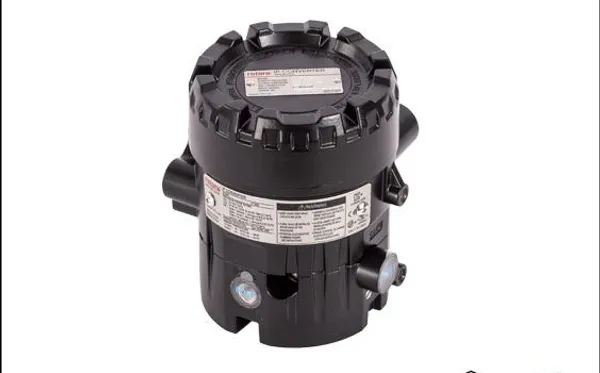
Two devices in the list above answer the same requirement in opposite ways. The YT-930 is intrinsically safe, Ex ia IIC T5/T6 Gb, and needs a certified barrier at the safe end of the loop. The YT-940 is a flameproof enclosure and needs certified glands and sealed conduit instead. Which one is correct is settled by the site wiring philosophy and the certificate named on the drawing, never by preference.
Corrosion, condensate and H₂S
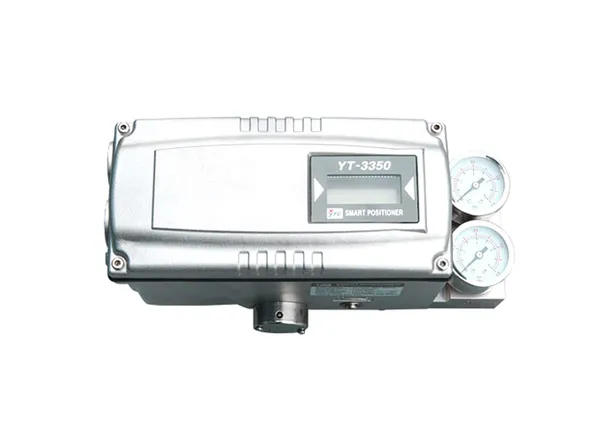
Sulphide is not a material problem in the abstract; it becomes one as soon as water is present, and in raw biogas water is always present. Copper and brass go first, which is worth remembering because they turn up in fittings and gauge internals rather than in the headline body material. Uncoated 316 bodies — YT-3350 and YT-1050 — remove the coating-failure path on the enclosure. Wetted parts inside a valve are a separate specification and should be stated separately.
Outdoors, unheated, in the weather
Most of a biogas plant sits on a concrete pad with no building to moderate anything. The YT-940 is specified from -40 to 85 °C; standard YT-3300 family builds begin at -30 °C, with low-temperature builds available. Impulse lines matter as much as the device: a leg of condensate trapped in a line to a pressure transmitter reads as head and biases the measurement without ever raising an alarm.
Ranging for a very low working pressure
The most common specification error on a digester is a transmitter carrying far more range than the process will ever use. Turn-down does not rescue a badly chosen range, because an accuracy figure quoted as a percentage of span is a percentage of the span you chose — pick one ten times too wide and the absolute error grows with it. State the real operating pressure and the relief setting when you ask for a quotation.

Where to go next

Brands on this page

Help specifying

Send the zone classification, the working and relief pressures, and whether the loop is intrinsically safe, and we will quote the certified variant against it.

Consultancy and site services

Instrumenting a digester or gas skid?

Tell us the zone and the working pressure and we will quote the certified, correctly ranged device rather than the nearest one in stock.

Request a Quote