Skip to content
A.N Trader

Industry

Pipe and Eternit

"Eternit" is used across the region as shorthand for fibre-cement products — pressure pipe, sheet and moulded goods — and the plants that make them share a shape with anything else that forms a wet cement slurry and then cures it. The process is abrasive, wet and cyclic. Slurry wears whatever it passes through, the forming and finishing line is a continuous mechanical handling problem, and the curing stage is a pressure vessel that has to repeat the same profile every time it runs.

A.N Trader supplies the pneumatic cylinders, positioners, transmitters and air-preparation equipment those three stages depend on.

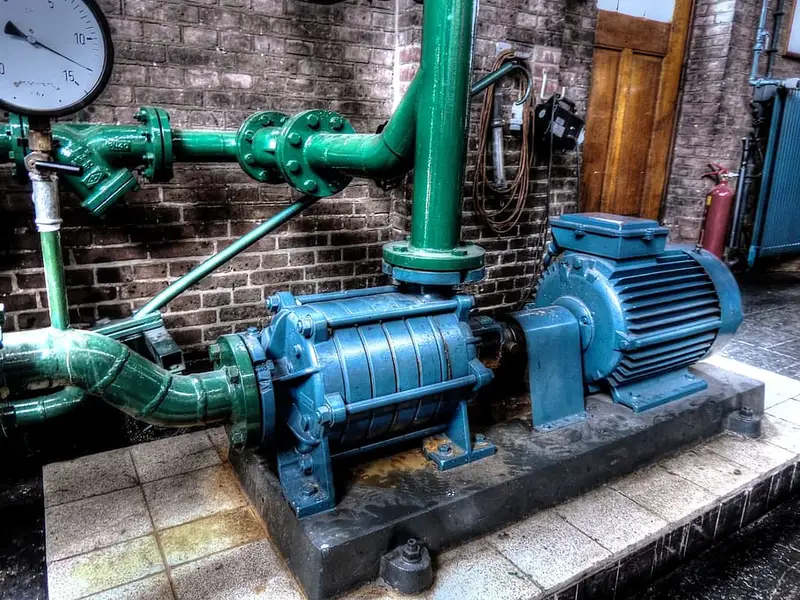
Multistage centrifugal process pump and motor on a plinth beside painted pipework and a pressure gauge

Typical applications

01

Slurry preparation and dosing

Cement, fibre and water are mixed to a controlled consistency before anything can be formed from it, and the mix is abrasive from the moment it leaves the mixer. Level in the vats, and the flow of water and additive into them, are the measurements; the final control elements are pumps, agitators and dosing valves that all wear. Instruments here are chosen as much for where they can be mounted — out of the slurry, out of the splash — as for what they measure.
02

Sheet and pipe forming

A forming machine builds product up in thin layers drawn from a slurry vat, and the process water it rejects is recirculated rather than discarded. The loop that matters is the water balance: consistency in the vat, level in the recirculation tank, and the valves between the two. None of it is fast and all of it is continuous, and the water is never clean at any point in the circuit.

03

Autoclave cure control

Autoclaved product is cured under saturated steam on a timed profile — a controlled pressure and temperature ramp, a hold, then a controlled let-down. Product quality lives in that curve, so the steam admission and vent valves are judged on how smoothly they follow it rather than on how quickly they can open. The vessel is also a pressure vessel worked cyclically, which places its own demands on everything connected to it.

04

Process and instrument air on the finishing line

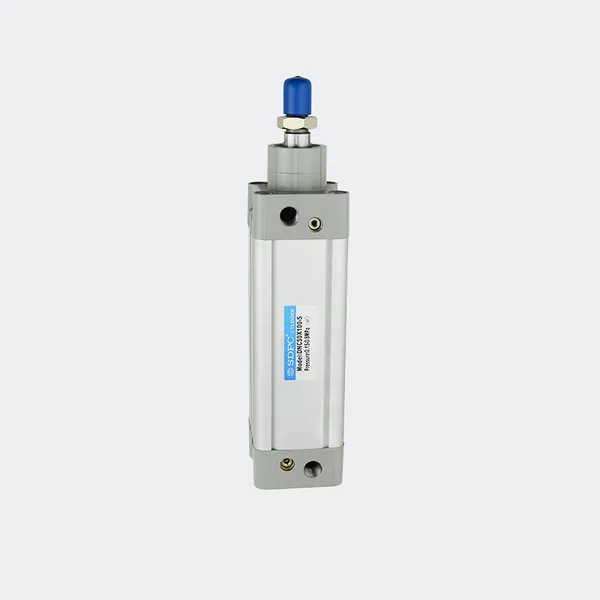
Cutting, trimming, stacking and mould handling are done pneumatically, and a finishing line can cycle dozens of cylinders within the same few seconds. Sizing the air system on average consumption rather than on that peak is the usual mistake: the header sags, every cylinder slows at once, and the line loses its timing. Regulators and cylinders on this duty are specified against peak simultaneous demand.

05

Dust extraction on cutting and grinding

Cutting and grinding cured fibre-cement releases fine dust, and it is captured at source by extraction hoods feeding filter units. Those filters are cleaned by pulse jet exactly as a cement baghouse is, and the same rule applies: when cleaning degrades, extraction at the tool degrades with it. The first place that shows is the operator breathing zone rather than a control-room alarm.

Equipment for this sector

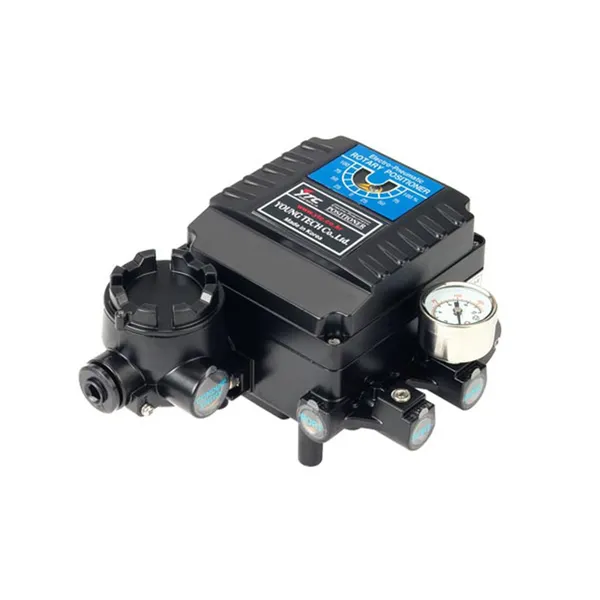
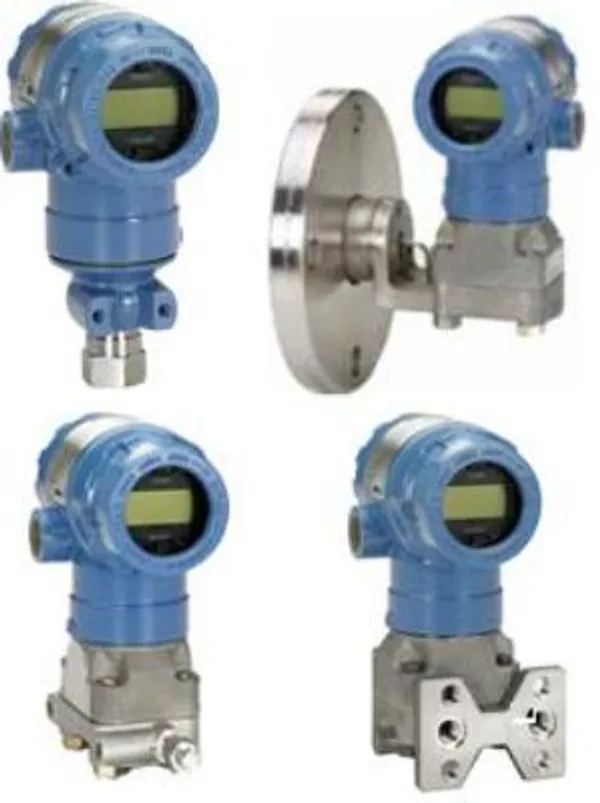
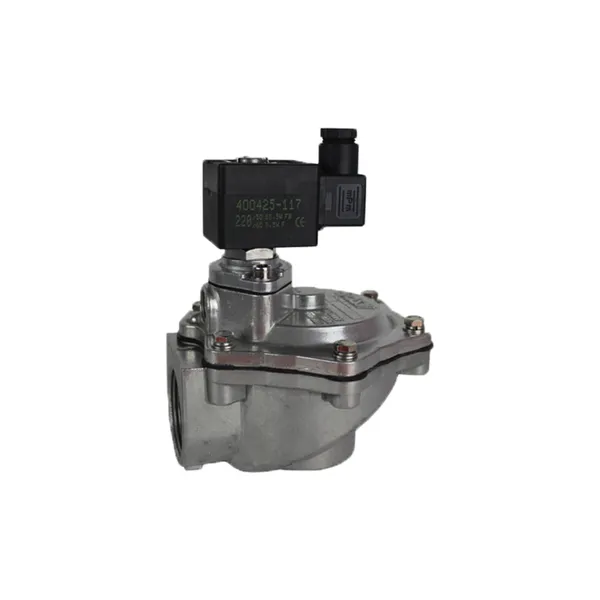
Devices from the catalogue that suit this duty, each with the reason it was chosen. Bore and stroke, port size, mounting kit and calibrated range are confirmed against your machine at the quotation stage.

Selection considerations

Abrasion, and where the instrument sits
Nothing in a slurry circuit is a permanent installation. Where a measurement can be taken outside the abrasive path, take it there — a level inferred from differential pressure at a clean tapping will outlast an instrument sitting in the slurry itself. Where it cannot, treat the device as a wear item from the start and fit the isolation that lets it be changed without draining the vessel around it.
Cyclic steam duty on the autoclave
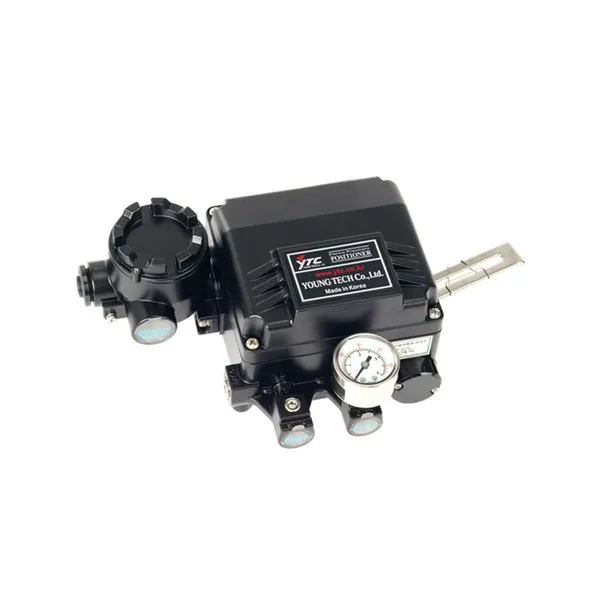
An autoclave thermally loads and unloads everything attached to it on every cycle, so good practice on steam service matters more here rather than less. A pressure instrument is piped through a siphon — a pigtail or coil filled with water at commissioning — so live steam never reaches the sensor. On the valves, a positioner that tracks a slow ramp without stepping is worth more than one with a fast stroke time.
Sizing air for peak simultaneous demand
Finishing-line air systems are commonly sized on the sum of average consumptions and then behave badly, because the cylinders do not take turns. Size the regulator, the tubing bore and the receiver on the worst simultaneous case instead. The YT-220, with Rc 1/2 air ports rather than Rc 1/4, exists for exactly the point at which the smaller unit runs out of flow.
Extraction is plant, not housekeeping
Dust extraction on a cutting line is a control system whose setpoint nobody watches. Differential pressure across the filter is the variable that says whether it still works, and the pulse valve is the actuator that keeps it working. Giving it a measurement, a cleaning sequence and a spares list is the difference between an extraction system and a fan with a bag on the end of it.

Where to go next

Brands on this page

Help specifying

Send the bore, stroke and mounting of the cylinder you are replacing, or the autoclave working pressure, and we will quote against the machine rather than the catalogue.

Consultancy and site services

Re-cylindering a forming or finishing line?

Send the bore, stroke and mounting style and we will quote the ISO 15552 equivalent with the cushioning and sensor slots you need.

Request a Quote