Skip to content
A.N Trader

Industry

Textile

A textile mill is a steam plant with machinery attached. Dyeing, drying, sizing and finishing all run on steam or hot water, and the fabric coming off the line is only as consistent as the temperature and pressure profile held behind it. Everything else about the environment works against the instruments doing that holding: high humidity, chemically loaded air in the dyehouse, floors that are hosed rather than swept, and airborne lint that will find any small orifice left facing it.

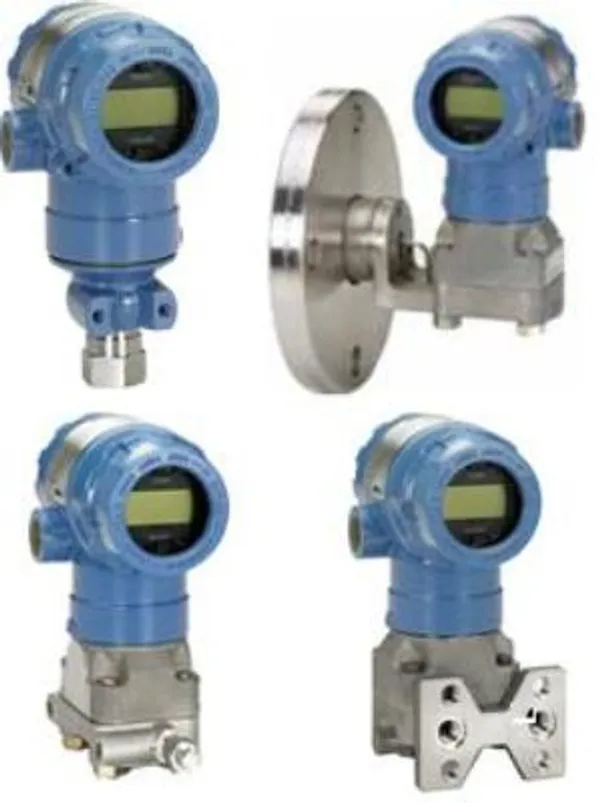
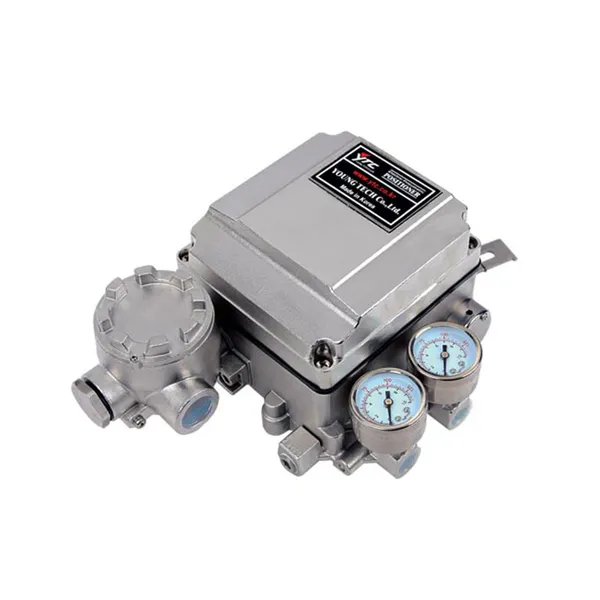
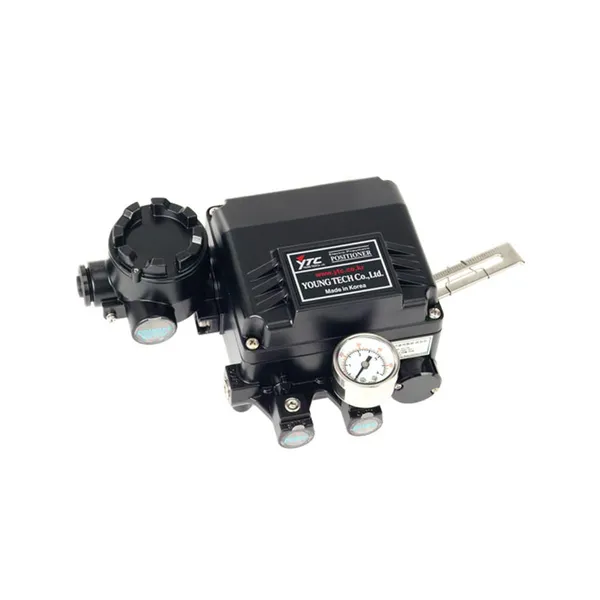
A.N Trader supplies positioners, pressure transmitters, pulse valves and air-preparation equipment specified for those conditions rather than for a clean utility room.

Steam pipework skid carrying a safety relief valve, isolating valves and pressure gauges

Typical applications

01

Dyeing machine temperature and pressure

A high-temperature jet or beam machine takes the bath above the atmospheric boiling point, which makes it a pressure vessel with a heating and cooling exchanger in the loop. Shade reproducibility depends on holding the same ramp, hold and cool profile batch after batch, so the steam and cooling-water valves are judged on repeatability at low flow rather than on capacity. A valve that sticks slightly at small openings appears as a shade variation, not as an alarm.
02

Boiler steam and header pressure

Steam is the utility the whole mill runs on, and it leaves the boiler at a higher pressure than most machines want. The reducing station and the header pressure loop behind it set the condition every downstream user sees, so a drifting pressure measurement propagates into the dyehouse and the stenter at the same time. Header pressure and drum level are the two loops worth over-specifying rather than economising on.

03

Compressed-air preparation

Air-jet weaving consumes compressed air continuously, and pneumatic actuation on the same header serves everything from brakes to valve actuators. Air leaving a compressor house in a hot, humid mill arrives at the machine carrying water, and the pressure at each drop moves with what the looms are doing. Regulating and filtering at the device is what keeps that variation off the instrument.

04

Blowroom and spinning dust extraction

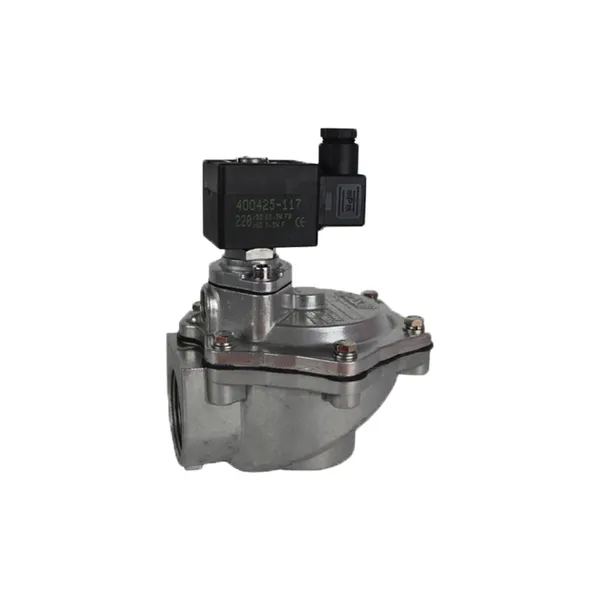
Opening, carding and spinning throw off fly and fine dust that is collected continuously by filter units, and the larger of those are cleaned exactly as a cement baghouse is — a short pulse of compressed air into the filter element. Cleaning that has quietly stopped working shows up first as poor extraction at the machine and then as a housekeeping and fire-risk problem.

05

Humidification, washdown and dyehouse atmosphere

Weaving sheds are humidified deliberately and dyehouse floors are washed down as routine. Add the acids, caustic and salt used in dyeing and the air itself becomes the corrosive medium. A device that would last years in a dry utility room can lose the paint film at its housing edges in a dyehouse in a fraction of that time, and corrosion under the film is what follows.

Equipment for this sector

Devices from the catalogue that suit this duty, each with the reason it was chosen. Body material, port size and calibration range are confirmed against where the device will actually be mounted at the quotation stage.

Selection considerations

Humidity, washdown and body material
Ingress protection describes water arriving from outside. It says nothing about a housing repeatedly warmed and cooled in humid air, where the water arrives by condensation instead. Two things follow: prefer a stainless steel 316 body such as the YT-1050 in wet areas rather than coated aluminium, and mount any device out of the direct line of a hose instead of relying on the rating to survive one.
Dyehouse chemistry
Acids, caustic and salt carried in dyehouse air attack aluminium and its coating from the outside in, usually starting at a machined edge or a scratch. Stainless steel 316 is the ordinary answer for the enclosure. Note that this is a decision about the housing only — what the process fluid touches inside a valve is a separate specification, and the two are frequently confused on a requisition.
Lint and air supply
There are two separate lint problems. What travels inside the air line is handled by a 5-micron filter regulator at the device — YT-200 for a single unit, YT-220 where the flow demand is higher. What settles out of the shed air is a mounting problem: keep exhaust ports out of the path of falling fly, and put the device where someone can actually reach it to clean it.
Mounting a pressure instrument on steam
A pressure instrument on saturated steam is not piped straight to the line. A siphon — a pigtail or a coil — holds a leg of condensate that keeps live steam off the sensor, and it has to be filled with water at commissioning to do its job. Skipping it, or fitting it dry, is one of the more common avoidable causes of a steam pressure measurement drifting and then failing early.

Where to go next

Brands on this page

Help specifying

Tell us whether the device sits in the dyehouse, the boiler house or the shed, and we will quote the body material and enclosure that suits it rather than the default.

Consultancy and site services

Replacing corroded positioners in a dyehouse?

Send the existing model code and the actuator it sits on and we will quote the stainless equivalent with the right mounting kit.

Request a Quote